 Exhibitions of the month
Search results for 'Mitchell Johnson' at the museum of art
Exhibitions
Mitchell Johnson
Artists: Mitchell Johnson
Current exhibition: Twenty-One Years in Truro (Selected Paintings 1988–2026)
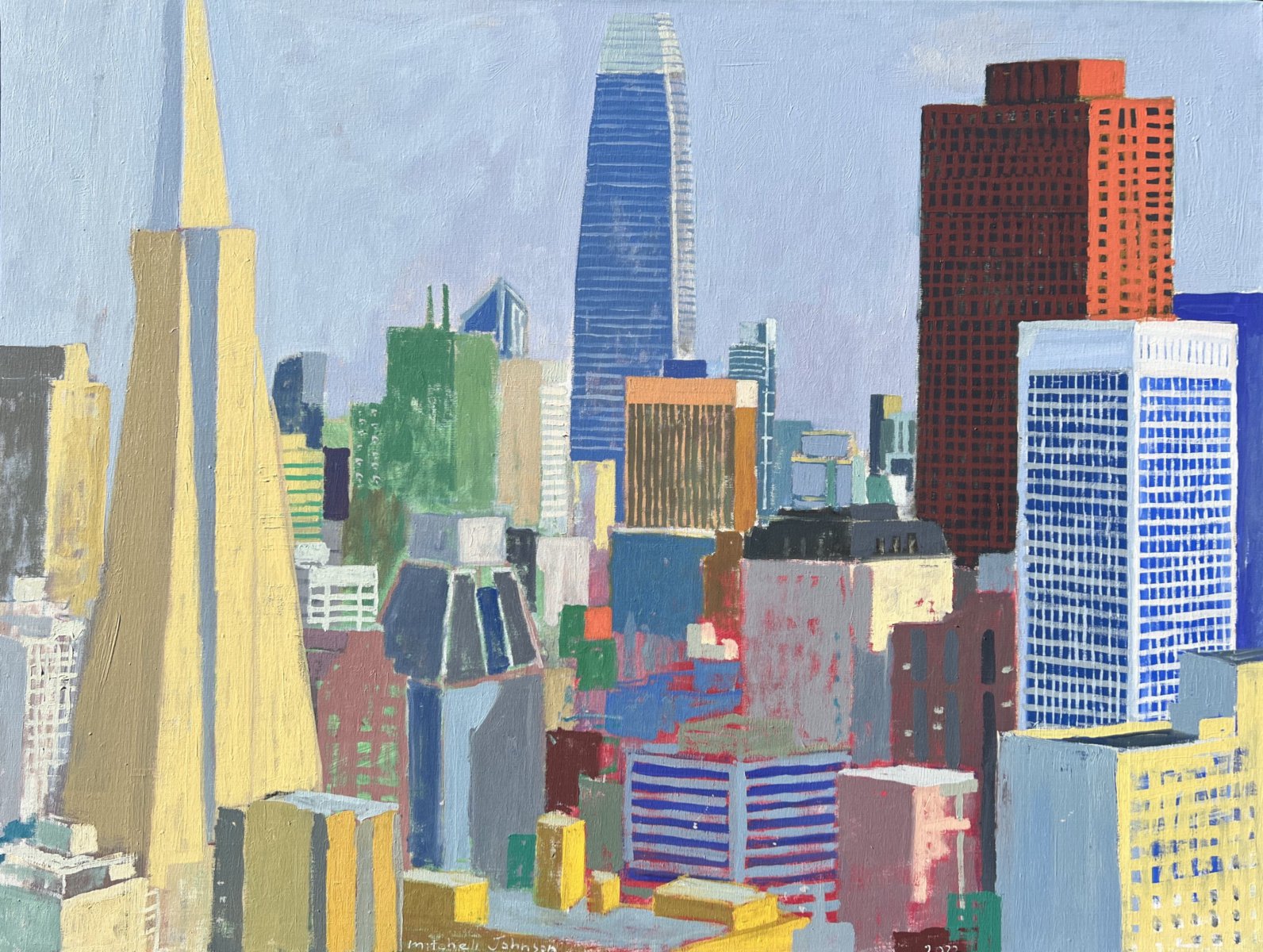
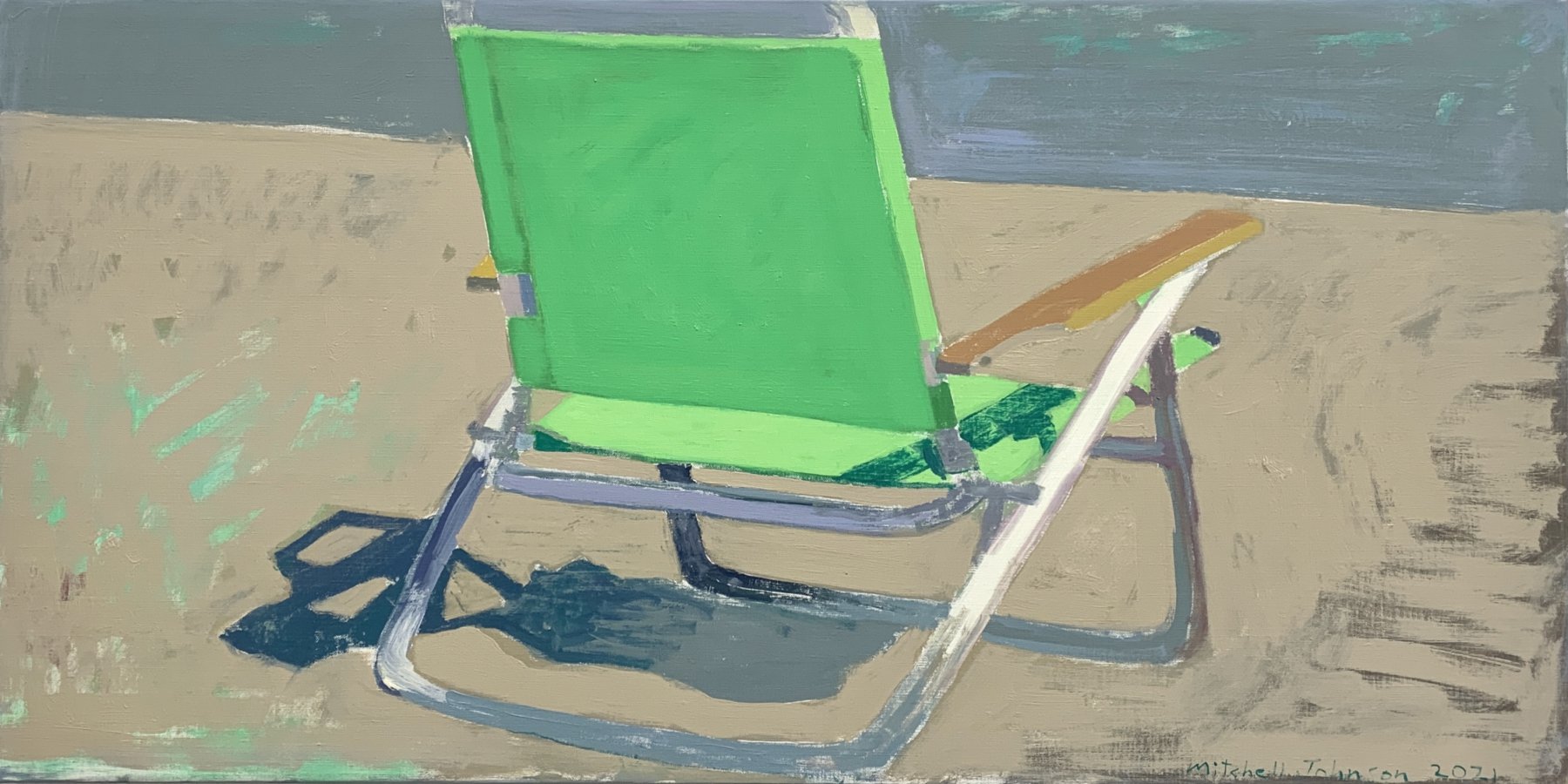
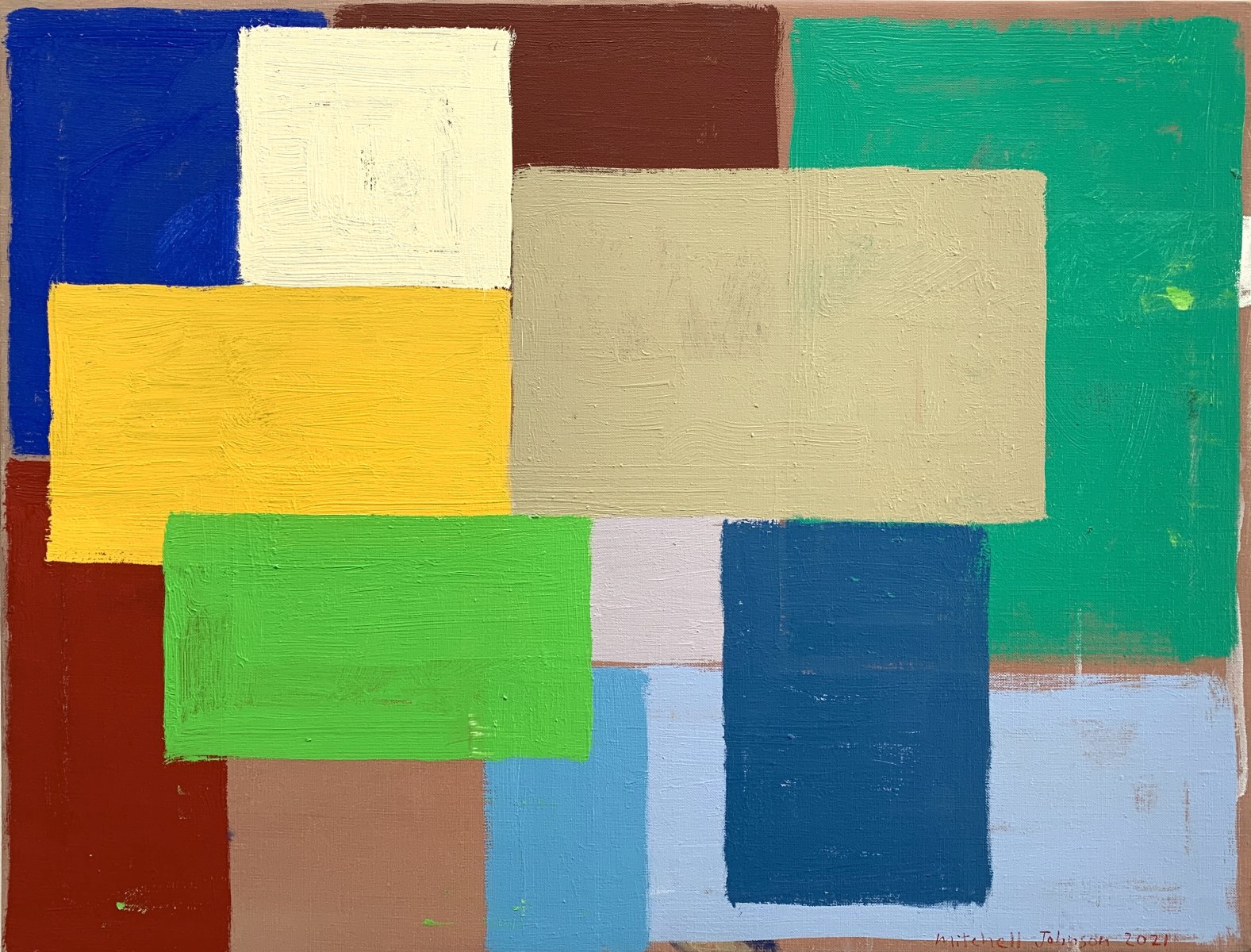
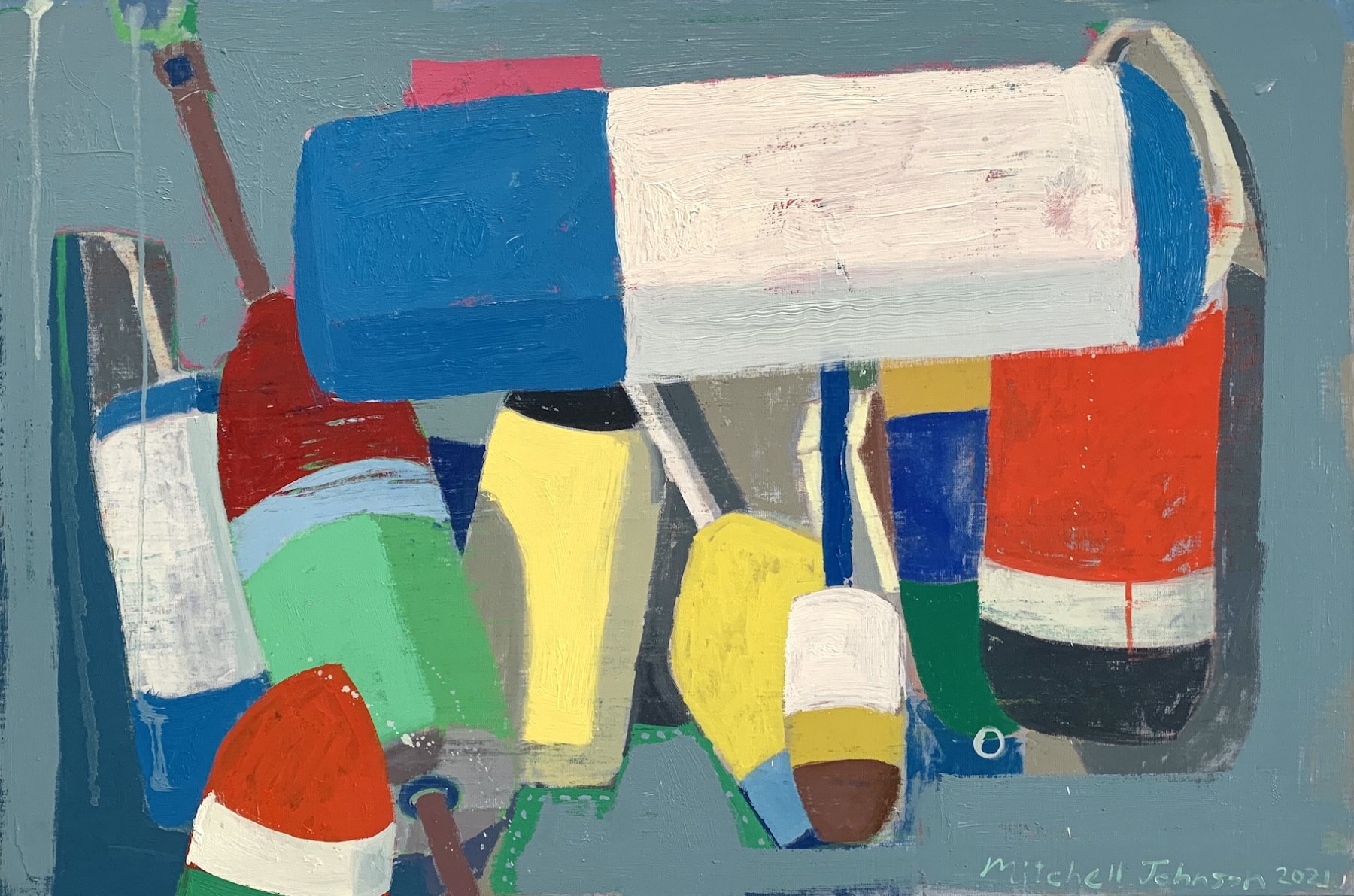
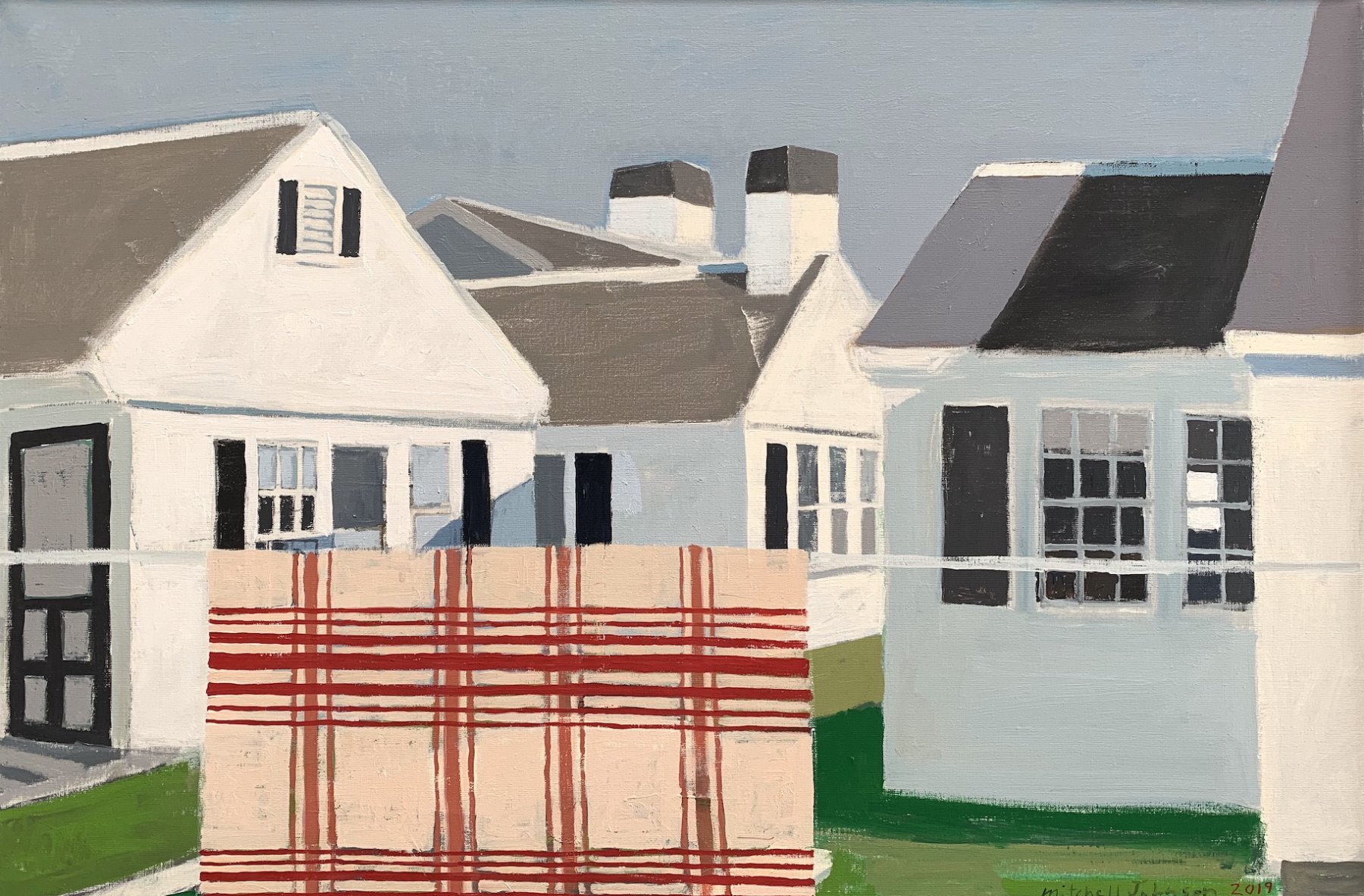
Truro Center for the Arts at Castle Hill presents Twenty-One Years in Truro (Selected Paintings 1988–2026), a solo exhibition of paintings by Mitchell Johnson, September 8–20, 2026. An artist reception will be held Thursday, September 10, from 4:00–6:00 pm. This is Johnson's sixth solo exhibition at Castle Hill, where he has taught an annual master color class since 2020. Castle Hill is pleased to present an exhibition of Mitchell Johnson's recent paintings in its gallery at 10 Meetinghouse Road in Truro. The exhibition includes recent paintings alongside several never-before-exhibited early Truro works and Johnson's first New England painting, Fall (Tabor Academy), painted in 1988 while he was a graduate student at Parsons School of Design in New York. The exhibition also includes paintings from California, New York, France, and Italy, placing the Truro paintings within the broader context of Johnson's thirty-five-year career. Johnson's annual painting trips to Cape Cod began in May 2005, immediately after he visited the landmark Giorgio Morandi/Josef Albers exhibition at Museo Morandi in Bologna, Italy. He arrived on the Outer Cape at a pivotal moment in his development, when his paintings were becoming less brush-driven and increasingly focused on large, distinct areas of color. Truro proved to be an ideal setting for this shift, with its bands of sky, water, dune, road, and shadow offering a naturally simplified visual structure. Johnson's paintings use familiar and often iconic motifs as a means of exploring color relativity, perception, and visual experience.
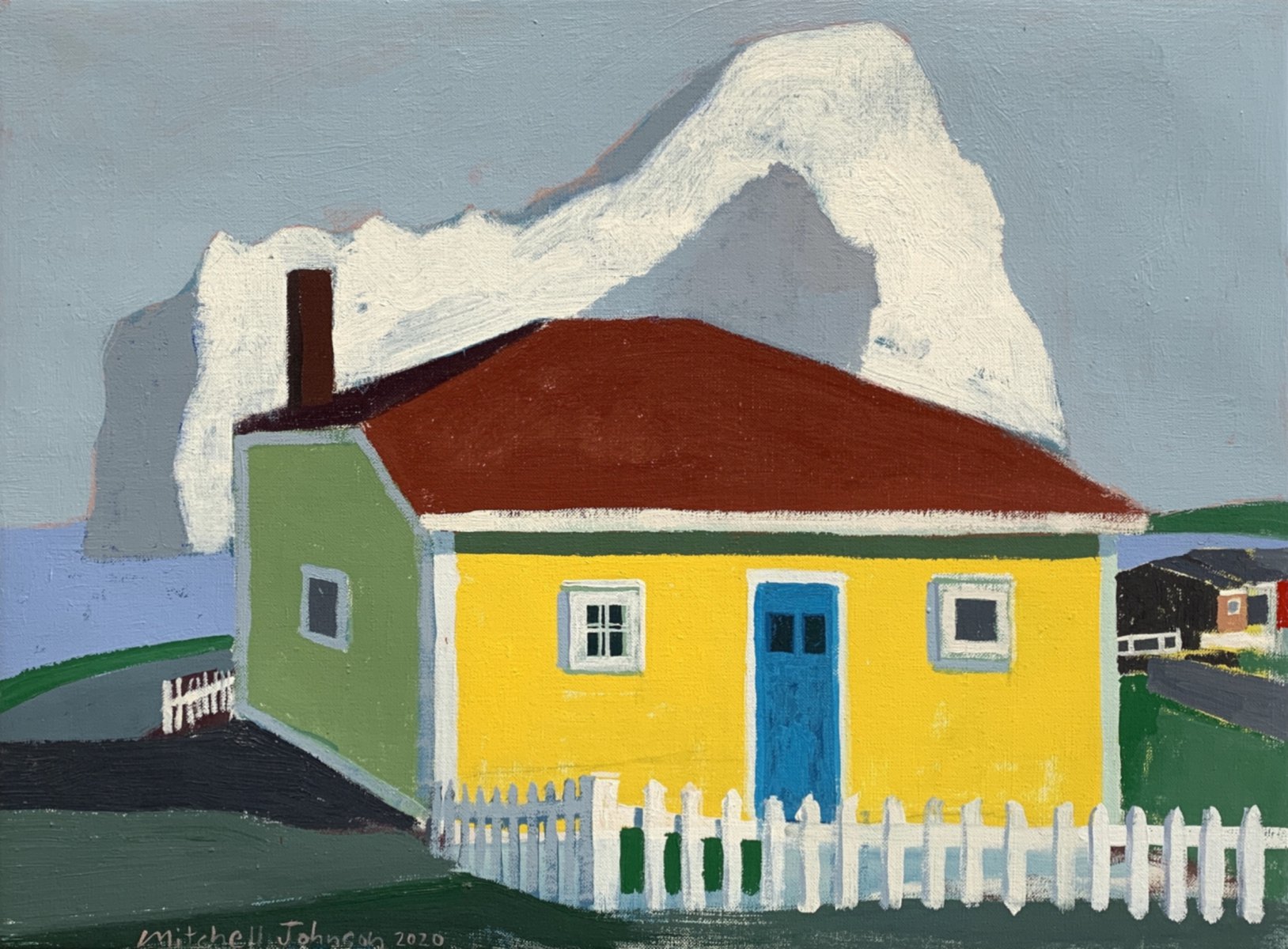
Although Johnson has continued to travel and paint extensively in California, France, New York, and elsewhere, the work produced in Truro occupies a special place within his larger body of work. These paintings reveal an artist returning repeatedly to the same location, not in search of novelty, but in pursuit of greater clarity. Like Monet returning to Rouen Cathedral or Morandi returning to the same bottles and boxes, Johnson has used repetition as a means of discovery. Truro remains central to Johnson's work because its distinctive topography—bands of sky, dune, road, cottage, shadow, and water—provides an ideal structure for his ongoing investigation of color relativity and perception. The Outer Cape is where Johnson's long-standing interest in landscape intersects most clearly with ideas about color informed by Josef Albers.
About Mitchell Johnson’s art
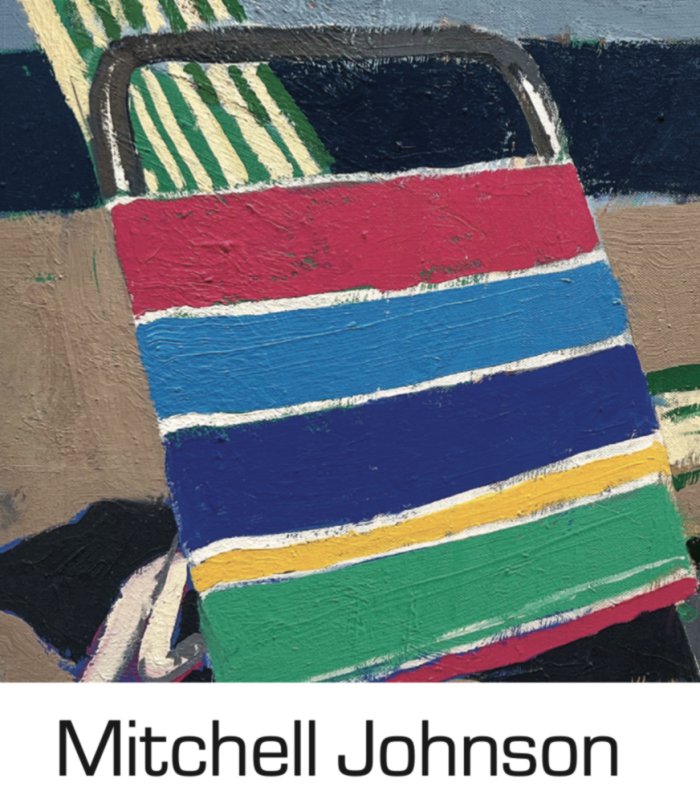
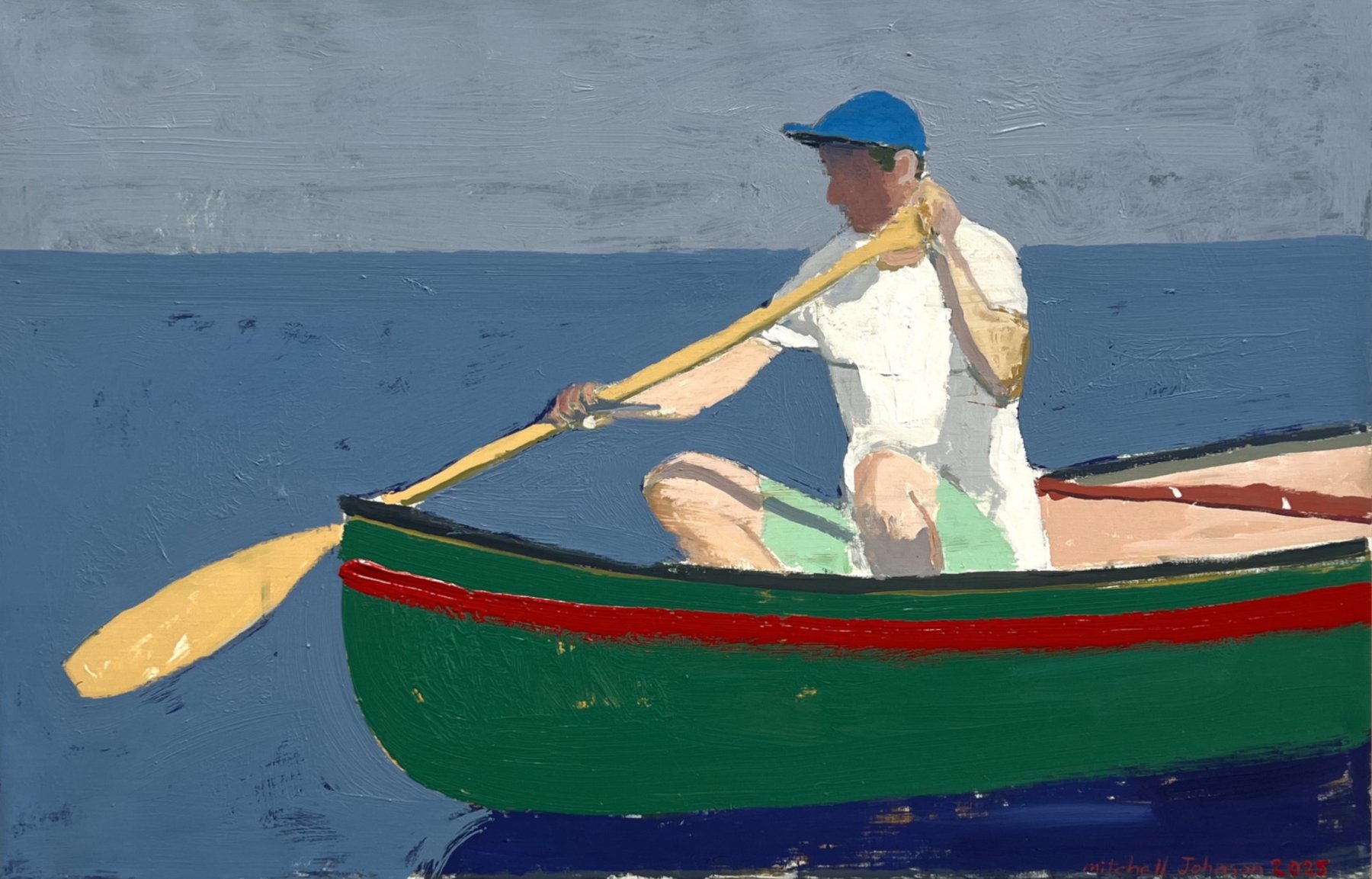
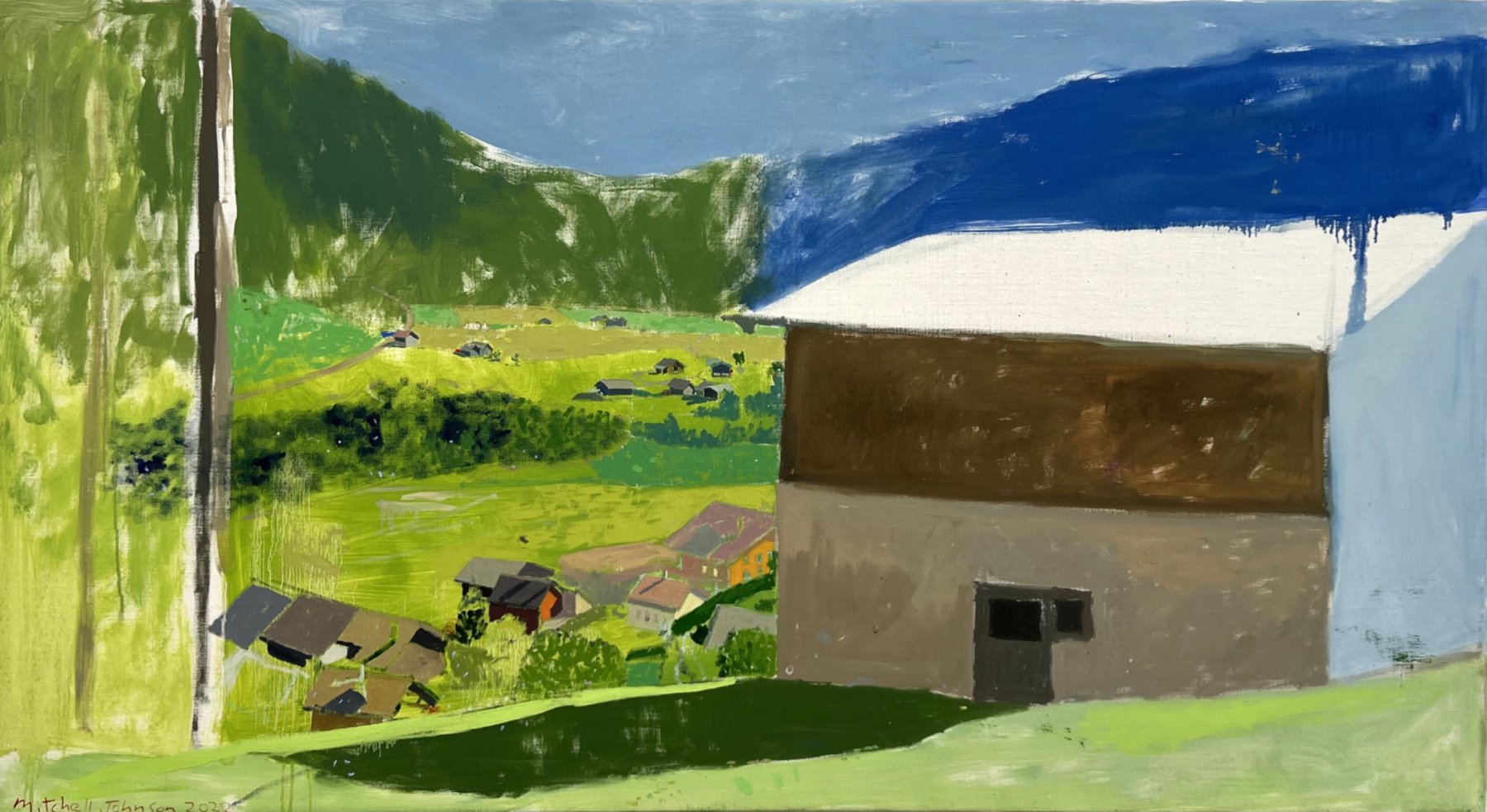
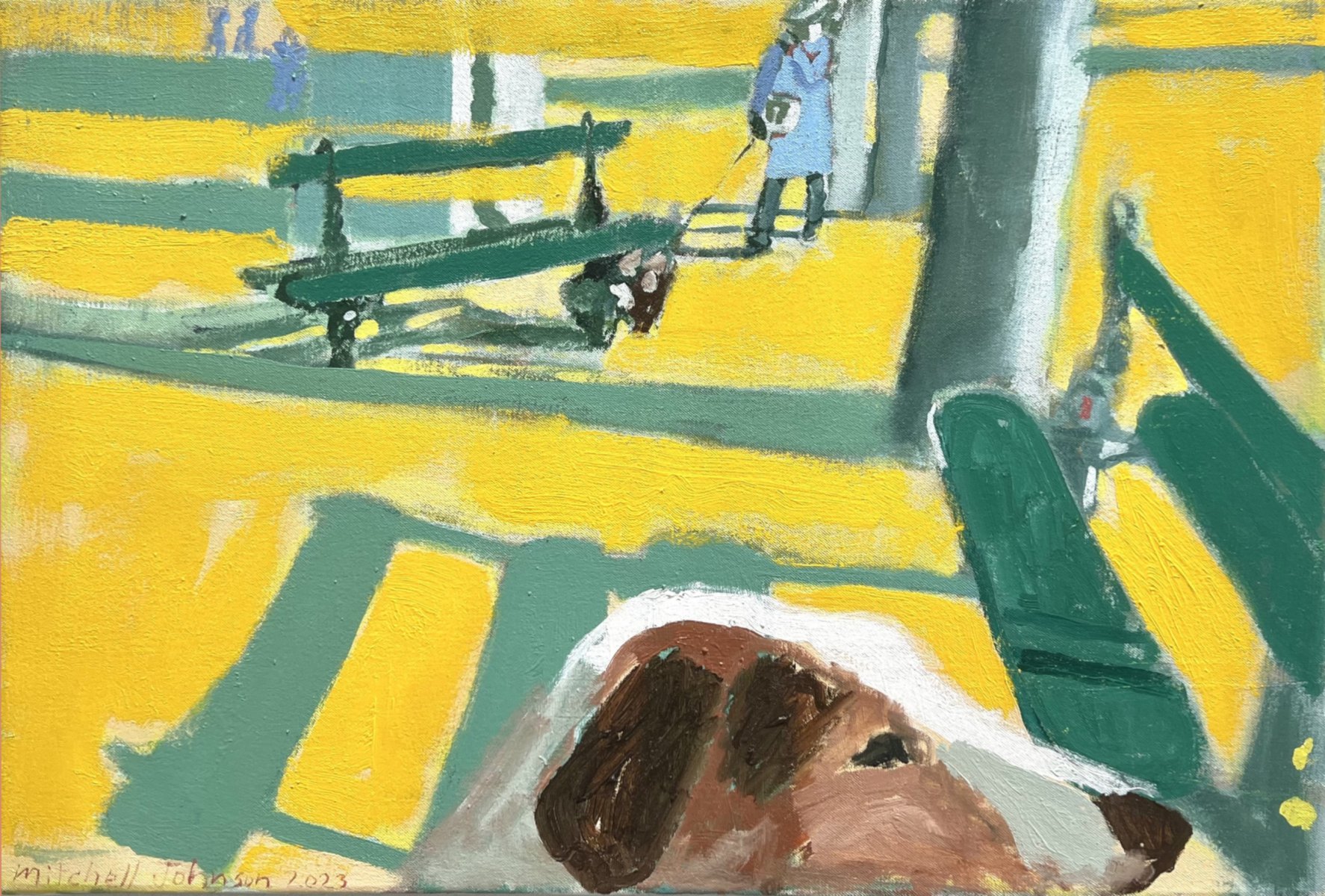
Mitchell Johnson’s paintings inhabit a fascinating territory where realism and abstraction cease to be opposites. A landscape, a building, an interior, or a solitary object may remain clearly recognizable, yet the painting ultimately follows its own pictorial logic. What begins as an observation of the visible world becomes something more independent and universal. Johnson moves seamlessly between representation and abstraction, creating realist paintings that possess the autonomy of abstract compositions, and abstract works that retain an unmistakable connection to the figurative world. At the heart of Johnson’s practice is a persistent desire to explain the world through color and shape. Drawing on decades of looking, travelling, and painting from life, he distils his experiences into compositions in which precisely considered elements interact with unexpected intensity and luminosity. Rather than simply recording a particular place or subject, Johnson uses the visible world as a point of departure, allowing perception and memory to transform what he has seen. The result is painting that feels at once immediate and enigmatic — deeply rooted in lived experience while continually questioning where observation ends and abstraction begins.
Truro Center for the Arts at Castle Hill presents Twenty-One Years in Truro (Selected Paintings 1988–2026), a solo exhibition of paintings by Mitchell Johnson, September 8–20, 2026. An artist reception will be held Thursday, September 10, from 4:00–6:00 pm. This is Johnson's sixth solo exhibition at Castle Hill, where he has taught an annual master color class since 2020. Castle Hill is pleased to present an exhibition of Mitchell Johnson's recent paintings in its gallery at 10 Meetinghouse Road in Truro. The exhibition includes recent paintings alongside several never-before-exhibited early Truro works and Johnson's first New England painting, Fall (Tabor Academy), painted in 1988 while he was a graduate student at Parsons School of Design in New York. The exhibition also includes paintings from California, New York, France, and Italy, placing the Truro paintings within the broader context of Johnson's thirty-five-year career. Johnson's annual painting trips to Cape Cod began in May 2005, immediately after he visited the landmark Giorgio Morandi/Josef Albers exhibition at Museo Morandi in Bologna, Italy. He arrived on the Outer Cape at a pivotal moment in his development, when his paintings were becoming less brush-driven and increasingly focused on large, distinct areas of color. Truro proved to be an ideal setting for this shift, with its bands of sky, water, dune, road, and shadow offering a naturally simplified visual structure. Johnson's paintings use familiar and often iconic motifs as a means of exploring color relativity, perception, and visual experience.
Although Johnson has continued to travel and paint extensively in California, France, New York, and elsewhere, the work produced in Truro occupies a special place within his larger body of work. These paintings reveal an artist returning repeatedly to the same location, not in search of novelty, but in pursuit of greater clarity. Like Monet returning to Rouen Cathedral or Morandi returning to the same bottles and boxes, Johnson has used repetition as a means of discovery. Truro remains central to Johnson's work because its distinctive topography—bands of sky, dune, road, cottage, shadow, and water—provides an ideal structure for his ongoing investigation of color relativity and perception. The Outer Cape is where Johnson's long-standing interest in landscape intersects most clearly with ideas about color informed by Josef Albers.
About Mitchell Johnson’s art
Mitchell Johnson’s paintings inhabit a fascinating territory where realism and abstraction cease to be opposites. A landscape, a building, an interior, or a solitary object may remain clearly recognizable, yet the painting ultimately follows its own pictorial logic. What begins as an observation of the visible world becomes something more independent and universal. Johnson moves seamlessly between representation and abstraction, creating realist paintings that possess the autonomy of abstract compositions, and abstract works that retain an unmistakable connection to the figurative world. At the heart of Johnson’s practice is a persistent desire to explain the world through color and shape. Drawing on decades of looking, travelling, and painting from life, he distils his experiences into compositions in which precisely considered elements interact with unexpected intensity and luminosity. Rather than simply recording a particular place or subject, Johnson uses the visible world as a point of departure, allowing perception and memory to transform what he has seen. The result is painting that feels at once immediate and enigmatic — deeply rooted in lived experience while continually questioning where observation ends and abstraction begins.